

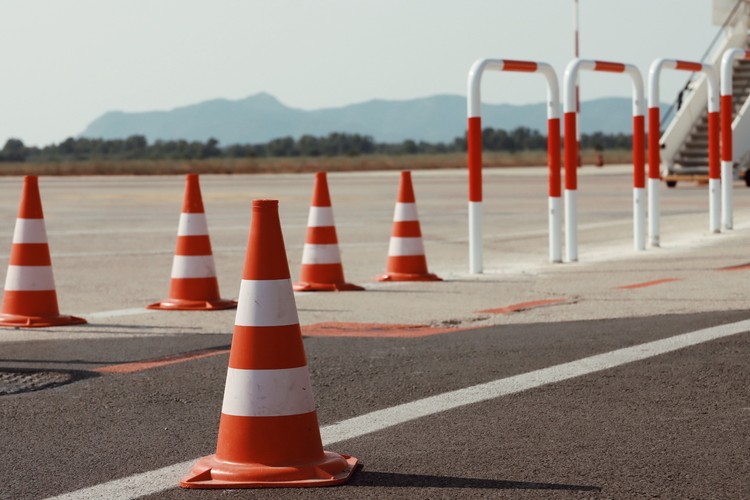
Traffic control is an important part of keeping people safe around roads, parking lots, construction areas, and temporary work zones. Even a small change in traffic flow can create confusion when drivers and pedestrians are not given clear visual guidance. Traffic cones provide a simple way to mark areas that need attention, helping people recognize changes in the path around them.
These familiar safety devices are useful in many settings because they are easy to notice, move, and place where needed. Their bright colors and reflective features can make temporary hazards more visible, especially when people need to adjust their normal route.
Improving Work Zone Visibility
Work areas can change quickly. Crews may need to repair pavement, inspect utility lines, unload materials, or perform maintenance near moving vehicles. Without visible signs of a work area, drivers and pedestrians may not realize that conditions have changed.
Traffic cones can help draw attention to these temporary changes. Their height and bright color make them easier to see than many objects found naturally around a road or parking area. When placed correctly, they can help create a visible boundary between active work and areas where vehicles or pedestrians are expected to travel.
Visibility becomes even more important in locations with limited space. A clearly marked work area gives people more information about where they should slow down, stop, or move around an obstruction.
Guiding Vehicle Movement
Traffic flow can become difficult when a lane is blocked or when vehicles need to move around temporary work. Cones can help guide drivers through these changes by creating a visible path.
For example, a maintenance crew may need to close part of a parking lot while completing repairs. Rather than leaving drivers to guess where they should go, workers can use appropriate traffic control devices to make the temporary route easier to understand.
However, cones should not be viewed as a replacement for a complete traffic control plan. Larger or more complex work zones may require signs, barriers, flaggers, lighting, or other safety equipment based on the location and applicable requirements.
Protecting Workers and Pedestrians
People working near moving vehicles face risks that are not present in many other workplaces. A driver may become distracted, misunderstand a temporary change, or fail to notice workers near the roadway. Creating a visible separation can help reduce confusion around the work area. Cones can provide a basic visual boundary around workers, equipment, tools, and materials. They can also help pedestrians recognize that a sidewalk, entrance, or other normal route has changed.
The protection provided by cones depends heavily on how they are used. They are designed to provide guidance and visibility, not to stop a moving vehicle. Workers should choose other protective equipment when a stronger physical barrier is needed.
Supporting Temporary Traffic Changes
One major advantage of cones is their flexibility. Unlike permanent signs or barriers, they can be moved when work conditions change. This makes them useful for short-term projects, events, maintenance tasks, and other situations where traffic patterns may change during the day.
A work crew might need to shift a boundary as equipment moves or as different sections of a project are completed. Because cones are relatively easy to reposition, the marked area can change along with the work. This flexibility also makes them useful in parking areas and private properties. They can temporarily identify spaces that should remain clear, direct vehicles around maintenance work, or separate pedestrians from areas where vehicles are moving.
Supporting Parking Area Safety
Traffic control is not limited to public roads. Parking lots can also have areas where temporary hazards or changes in vehicle movement need to be clearly marked. Maintenance work, spills, damaged roads, delivery activity, and special events can all affect how people use a parking area.
Cones can help identify spaces that should remain empty or guide vehicles around an area that is temporarily unavailable. They may also help create a clearer route when a parking lot has been partially closed.
Because parking areas often include both vehicles and pedestrians, clear visual guidance is especially useful. Drivers may be watching for other cars, while pedestrians may be focused on reaching a building. Marking changes in the normal path can give both groups more information.
Supporting Safer Temporary Areas
The importance of traffic cones comes from their simple role in making temporary changes easier to see and understand. Their effectiveness depends on proper placement, suitable design, regular checks, and the conditions of the area. Cones should also be used as part of a broader safety plan when the situation requires more than a visual warning.
When used correctly, traffic cones give drivers, pedestrians, and workers a clear visual cue that something about the normal route has changed. That small amount of information can make temporary work areas easier to navigate and can support safer movement around roads, parking lots, and active worksites.
