

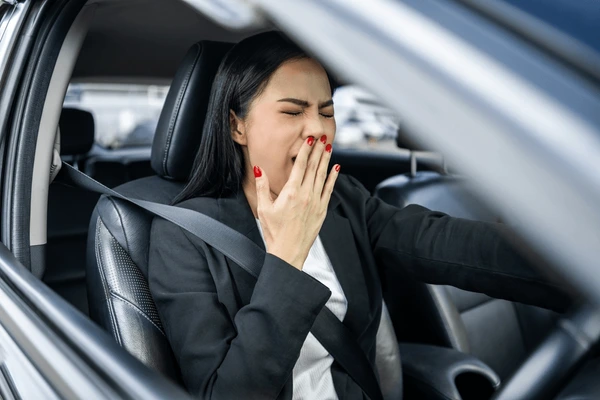
Zopiclone is a commonly prescribed sleeping tablet used for short-term treatment of insomnia. While it can be effective for helping people fall asleep, it can also significantly affect alertness and reaction time the next day. This raises an important safety question: can you safely drive after taking it?
The short answer is that driving after zopiclone can be unsafe for many people, even if they feel fully awake.
What is Zopiclone and How Does It Work?
Zopiclone is a sedative-hypnotic medicine that works by enhancing the activity of GABA, a calming chemical in the brain. This slows down brain activity, helping you fall asleep faster and stay asleep longer.
Because it affects the central nervous system, its calming effects do not always disappear immediately after waking up.
Can You Drive the Next Morning After Taking Zopiclone?
This is where caution is essential.
Even after a full night’s sleep, zopiclone can still remain active in your system. Studies and safety guidelines show that it may continue to impair psychomotor performance for around 10–12 hours after a standard dose.
This means that if you take it at night, you may still be affected the next morning when you plan to drive.
Importantly:
- You may feel fine, but still be impaired
- Reaction time and coordination may still be reduced
- Decision-making can be slower without you realizing it
How Zopiclone Affects Driving Ability
Driving requires fast thinking, coordination, and constant attention. Zopiclone can interfere with all of these.
1. Slower reaction times
You may respond more slowly to sudden hazards like braking traffic or pedestrians.
2. Reduced attention and focus
Dividing attention between mirrors, speed, and road conditions becomes more difficult.
3. Drowsiness and “hangover effect”
Even after sleep, you may feel groggy or mentally foggy.
4. Poor coordination
Steering, lane control, and braking precision may be affected.
A key concern is that people often underestimate their impairment and believe they are safe when they are not.
Factors That Increase Driving Risk
Your risk of impairment is higher if:
- You took a higher dose than prescribed
- You had less than a full 7–8 hours of sleep
- You are older or have slower metabolism
- You mixed zopiclone with alcohol or other sedatives
- You are new to the medication
Legal and Safety Perspective
In many countries, including the UK, it is illegal to drive if your ability is impaired by any drug—even if it is prescribed.
This means:
- It is your responsibility to decide if you are safe to drive
- “Feeling okay” is not a reliable indicator
- If there is any doubt, you should not drive
Practical Safety Guidelines
If you have taken zopiclone:
- Do not drive for at least 12 hours after taking it
- Avoid driving the next morning if you feel even slightly drowsy or foggy
- Never mix with alcohol if you plan to drive the next day
- Test your alertness (concentration, balance, reaction time) before considering driving
If you regularly need to drive early in the morning, it is important to discuss alternatives with a healthcare professional.
Important Note on Access and Use
Zopiclone is a prescription-only medication and should only be used under medical supervision. Misuse or long-term reliance can lead to dependence and increased side effects.
Search terms like buy zopiclone uk are often used online, but purchasing prescription medicines without a valid prescription is unsafe and illegal in many places. Always use legitimate medical channels.
Final Takeaway
You should be extremely cautious about driving after taking zopiclone. Even if you feel alert, residual sedation and reduced reaction time can still be present the next morning. The safest approach is to avoid driving for at least 12 hours after use—and longer if you feel any lingering effects.