

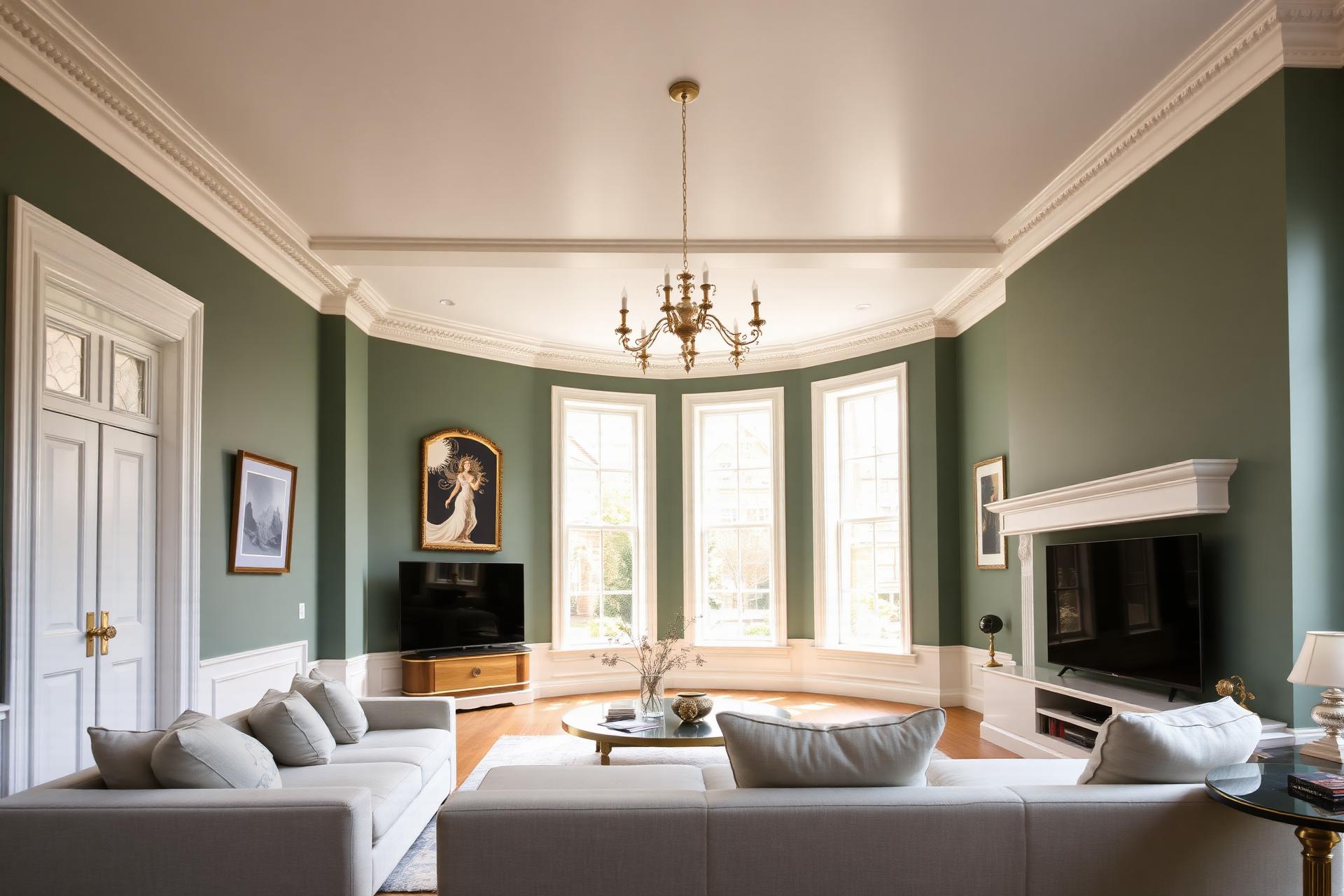
Decorating a home involves much more than choosing an attractive paint colour. Walls, ceilings, skirting boards, doors, frames, and other woodwork all require different preparation and painting techniques. A professional approach considers the condition of each surface, the type of existing coating, the desired finish, and how the different areas will work together.
For homeowners researching Decorators in London, understanding how these professionals handle each part of a room can make it easier to plan a decorating project and know what to expect.
Why Preparation Comes Before Painting
The quality of a finished decorating project is strongly influenced by preparation. Dust, grease, cracks, holes, peeling paint, loose material, and uneven surfaces can all affect how new paint looks and performs. Professional preparation commonly involves cleaning, filling imperfections, sanding, and removing unstable coatings before painting begins.
Furniture and flooring are also protected before work begins. In London properties, where rooms can sometimes be compact or access can be restricted, careful organisation helps decorators work efficiently while reducing the possibility of accidental paint splashes or damage.
How Walls Are Prepared
Walls are usually inspected before any paint is applied. Small cracks and holes can be filled and sanded, while peeling paint or poorly bonded material needs to be removed. Previously painted walls may also need cleaning to eliminate grease, dust, and other contaminants.
New plaster requires particular attention. It needs to be sufficiently dry before painting, and a suitable primer or mist-coat approach may be required depending on the surface and paint system being used.
Once preparation is complete, decorators generally cut in around corners, ceilings, windows, doors, and other edges before using a roller on the larger wall areas. This combination helps create an even appearance across the room.
Dealing With Cracks and Uneven Walls
Not every wall requires the same level of preparation. Minor cosmetic cracks may be suitable for filling and sanding, while larger defects could indicate movement, damaged plaster, or another underlying problem.
Experienced Decorators in London can assess whether a surface needs simple cosmetic preparation or more substantial repair before painting. This distinction matters because applying paint over unstable or damaged material will not necessarily solve the underlying problem.
Strong natural or artificial lighting can also reveal imperfections that may be difficult to notice in darker conditions. For this reason, careful sanding and inspection are particularly important before the final coats are applied.
How Ceilings Are Handled
Ceilings are normally tackled before walls because paint can occasionally splatter or overlap onto surrounding areas during application. A commonly recommended sequence is ceiling first, walls second, and woodwork last.
Before painting, decorators check ceilings for cracks, peeling material, stains, and previous water damage. Damaged areas may need to be cleaned, filled, sanded, or sealed before a new coating is applied.
Rollers with extension poles can make ceiling work more efficient and reduce the need to repeatedly reposition ladders.
Choosing the Right Ceiling Finish
Ceilings are often painted in relatively low-sheen finishes because these can help create a softer appearance and avoid drawing excessive attention to minor surface irregularities.
However, the appropriate product depends on the room and the existing surface. Bathrooms, kitchens, and other areas exposed to moisture may require a finish with different durability characteristics from a bedroom or hallway.
Preparing Wooden Surfaces
Woodwork includes skirting boards, architraves, doors, door frames, window frames, and other timber details. These surfaces generally require more detailed preparation than large areas of wall.
Painted woodwork may be lightly sanded to remove imperfections and provide a suitable surface for the new coating. It is then cleaned to remove sanding dust and other contaminants. Bare timber may require suitable primer, while holes and cracks can be repaired with an appropriate wood filler.
The aim is to create a smooth, stable base before applying undercoat and the chosen topcoat.
Painting Skirting Boards and Door Frames
Skirting boards and door frames receive frequent contact, so durability is important. Depending on the desired appearance, decorators may use eggshell, satin, or gloss finishes.
Thin, controlled coats are generally preferable to applying excessive amounts of paint. Working carefully helps reduce drips and brush marks while producing a more consistent finish.
Doors and frames can also contain several different surfaces and profiles. Panels, mouldings, corners, and edges therefore require controlled brushwork rather than simply being treated like a flat wall.
Why the Painting Order Matters
A systematic sequence helps reduce unnecessary touch-ups. A typical interior decorating order is:
- Prepare and protect the room.
- Repair and prepare surfaces.
- Paint the ceiling.
- Paint the walls.
- Prepare and paint the woodwork.
- Complete final touch-ups and clean-up.
This approach is supported by decorating guidance from major UK retailers and professional decorating sources.
There can be exceptions. For example, heavily damaged woodwork may need extensive preparation before wall painting begins. The condition of the room and the chosen products can therefore influence the precise workflow.
Protecting Existing Features
Professional decorators need to work around many existing features, including flooring, furniture, sockets, switches, radiators, handles, windows, and architectural details.
Dust sheets and suitable masking methods can help protect areas that are not being painted. Hardware may be removed where practical, while other items can be carefully protected. Good preparation reduces the amount of correction required later.
Handling Older London Properties
London contains a wide range of property types, from modern apartments to Victorian and Edwardian houses. Older buildings can present different decorating challenges, including ageing plaster, previous layers of paint, timber details, and historic surface treatments.
A decorator should therefore assess the surface rather than assuming that the same preparation method will work everywhere. Older or unusual finishes may require specialist materials or more careful preparation.
Where traditional materials such as lime plaster are present, breathable decorating systems can sometimes be more appropriate than treating the surface like modern plaster. Recent guidance on older lime-plastered properties highlights the importance of using compatible, breathable finishes and allowing sufficient drying time.
Choosing Paint for Different Surfaces
The same paint is not necessarily suitable for every part of a room. Walls and ceilings commonly use different products from woodwork, while kitchens and bathrooms may require finishes designed to withstand more frequent cleaning.
Woodwork usually benefits from a durable coating because doors, skirting boards, and frames are exposed to knocks and repeated contact. Product selection should take account of the surface, location, existing coating, desired appearance, and manufacturer’s recommendations.
The Importance of Clean Edges
Clean transitions between ceilings, walls, and woodwork can make a significant difference to the finished appearance.
Decorators use a combination of brushes, rollers, masking techniques, and careful cutting-in to create defined boundaries. Preparation is particularly important around skirting boards, window frames, doors, and corners because imperfections in these areas can be highly visible.
Final Inspection and Touch-Ups
Once the main painting is complete, decorators normally inspect the room for missed areas, uneven coverage, drips, marks, and small imperfections.
The final stage can involve touching up edges, correcting minor defects, removing protective materials, and cleaning the work area. This inspection helps ensure that walls, ceilings, and woodwork appear consistent when viewed together.
What Homeowners Should Ask Before Work Begins
Before hiring a decorator, homeowners can ask:
- Which surfaces are included in the preparation?
- Will cracks and small holes be filled?
- Does the quote include sanding and priming?
- How many coats are planned?
- Which paint finishes are recommended?
- Is woodwork included?
- Will furniture and flooring be protected?
- Are larger plaster or repair jobs included or excluded?
- How will existing stains or water damage be treated?
- What preparation is required before the project begins?
Clear answers can help prevent misunderstandings about the scope and final appearance.
Final Thoughts
Walls, ceilings, and woodwork each require a slightly different approach. Walls need careful filling, cleaning, and sanding; ceilings require attention to cracks, stains, and application technique; while woodwork generally demands detailed sanding, filling, priming, and durable finishing.
For homeowners considering Decorators in London, looking beyond the colour chart is important. The quality of preparation, choice of materials, painting sequence, attention to detail, and final inspection all contribute to a professional-looking result. A carefully planned decorating project can refresh a room while also giving its surfaces a cleaner, more durable finish.