
Termites can cause serious damage to a home long before the problem becomes obvious. These small insects feed on wood and other cellulose-based materials, allowing colonies to remain hidden inside walls, floors or other parts of a property. By the time visible damage appears, the infestation may already have been active for some time.
Knowing the warning signs can help homeowners respond before the damage becomes more extensive. While seeing a single termite does not always confirm a major infestation, certain changes around the property may indicate that professional termite removal is necessary.
You Keep Finding Discarded Wings
One of the most noticeable signs of termite activity is finding small piles of discarded wings around windows, doors, light fixtures or other areas of the home. Reproductive termites, sometimes called swarmers, shed their wings after finding a suitable location to establish a colony.
If you repeatedly discover wings indoors, particularly near windows or other sources of natural light, it may indicate that termites are nearby. Finding them in multiple areas can be a reason to arrange a professional inspection.
Wooden Surfaces Sound Hollow
Termites can consume wood from the inside, leaving the outer surface relatively intact. As a result, tapping on affected wood may produce a hollow or unusually thin sound.
Doors, window frames, flooring, wall trim and structural components can all be affected. Although a hollow sound does not automatically prove termite activity, several weakened areas throughout the home may warrant further investigation.
Doors or Windows Suddenly Become Difficult to Open
Changes in how doors and windows fit within their frames can sometimes indicate moisture problems or normal changes caused by temperature. However, unexplained difficulty opening or closing them may also be associated with termite damage.
As termites tunnel through wooden structures, they can weaken or alter the surrounding material. If several doors or windows begin sticking without an obvious explanation, checking for potential structural damage can be worthwhile.
You Notice Mud Tubes Around the Property
Subterranean termites often create narrow mud tubes to travel between their colony and a food source. These structures may appear along foundations, exterior walls, crawl spaces or other areas where wood comes into contact with soil.
Mud tubes are one of the stronger visual indicators of termite activity. Breaking one does not necessarily eliminate the colony, as termites may repair damaged sections or establish another route. Professional assessment can determine whether active termites are present.
The Wood Appears Damaged or Blistered
Termite damage can sometimes appear as small cracks, bubbling surfaces or areas that look unusually worn. Flooring may develop raised sections, while wooden walls or furniture can show changes in texture.
These symptoms can also result from water damage, aging materials or other household problems. However, unexplained damage accompanied by other termite indicators deserves attention.
You Find Small Droppings Near Wooden Areas
Some termite species leave behind small, pellet-like droppings called frass. These particles can accumulate beneath damaged wood, furniture or other areas where termites are active.
The appearance of these droppings can vary depending on the species and material being affected. If you repeatedly find unexplained pellets indoors, particularly near damaged wooden surfaces, an inspection may help identify their source.
You Hear Unusual Sounds in Walls
A serious infestation can occasionally produce faint clicking or rustling sounds within walls. Termites are generally difficult to hear because they spend much of their time hidden, but certain activity may become noticeable when the infestation is extensive.
Unusual sounds alone are not enough to confirm termites. Still, hearing activity alongside damaged wood, mud tubes or discarded wings can strengthen the reason to have the property inspected.
The Floor Feels Weak or Uneven
Termites can damage wooden flooring and the structures supporting it. Over time, affected areas may feel softer, weaker or less stable when walked across.
A floor that suddenly feels different should not be ignored. While moisture, age and foundation issues can cause similar symptoms, termite damage is another possibility that should be ruled out, particularly in homes with other warning signs.
You See Termites Inside Your Home
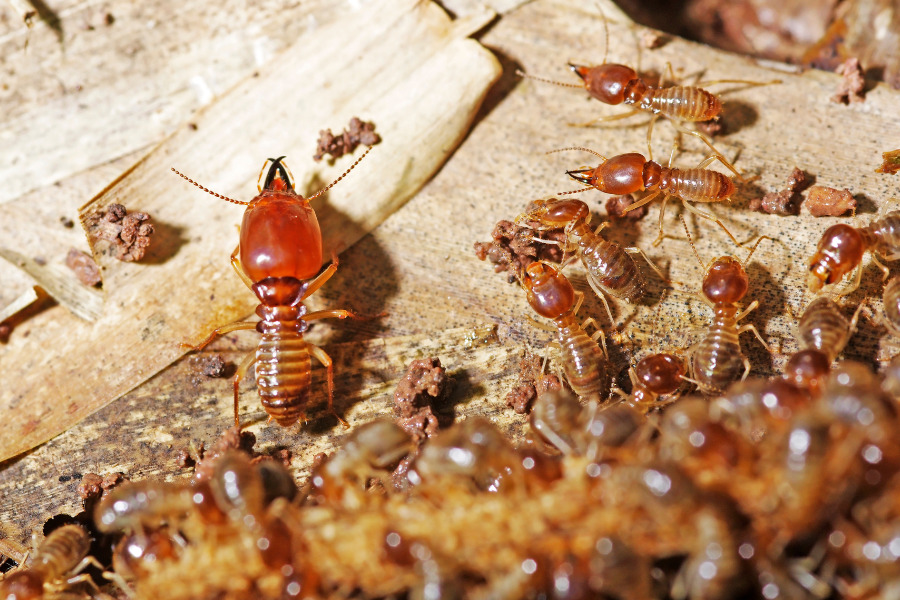
Actually seeing termites indoors is an obvious reason to investigate further. Termites may appear around windows, doors, wooden structures or areas where moisture is present.
Different species have different behaviors and appearances, so identifying the insect correctly is important. A pest control professional can determine whether the insects are termites and assess whether an active colony is affecting the property.
Why Early Action Matters
Termite damage can progress quietly because colonies often remain hidden. Waiting until structural problems become obvious may give termites more time to affect important parts of the home.
Early detection allows homeowners to understand the extent of the problem and determine the appropriate response. A professional inspection can help identify active areas, possible entry points and conditions that may encourage termite activity.
Professional termite removal may also need to be combined with repairs and preventative measures. Simply addressing visible insects may not resolve an infestation if the colony or access point remains untreated.
Protecting Your Home From Further Damage
Termites are small, but the damage they cause can become a major household concern when an infestation is left unchecked. Discarded wings, mud tubes, damaged wood, unusual sounds and weakened flooring are among the signs homeowners should take seriously.
If you notice one or more of these warning signs, consider arranging a professional inspection rather than waiting for the problem to become more visible. Identifying termite activity early can help homeowners address the infestation sooner and take steps to protect their property from further damage.