

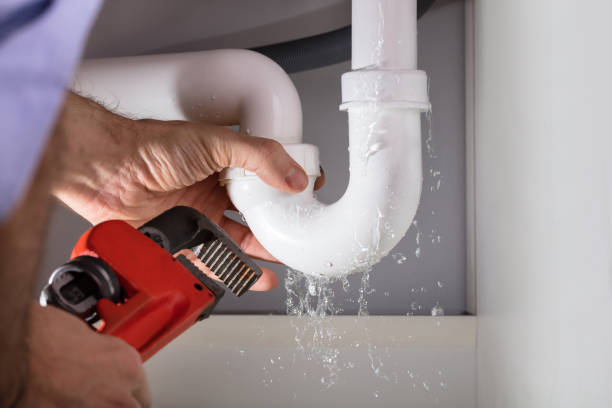
Water leaks are among the household problems that can be easy to overlook. A small drip behind a wall or beneath a sink may not seem urgent, but even a minor leak can continue causing damage when left unresolved. Over time, hidden moisture can affect building materials, increase water bills and contribute to more expensive repairs.
Recognizing the early warning signs can help homeowners address plumbing problems before they become more disruptive. If you notice changes in your home that suggest unwanted water is escaping from your plumbing system, it may be time to consider professional Water Leak Repair.
1. Your Water Bill Suddenly Increases
An unexplained increase in your water bill is one of the first signs that something may be wrong with your plumbing. If your household’s water usage has remained relatively consistent but your bill has risen significantly, a hidden leak could be responsible.
Leaks can allow water to escape continuously, even when faucets, showers and appliances are not being used. Checking your plumbing system can help determine whether the increase is caused by a leak rather than a change in usage or billing.
2. You Hear Water When Nothing Is Running
Unusual sounds coming from your walls, ceilings or floors may indicate that water is moving through your plumbing when no fixtures are operating. You might hear dripping, hissing or faint running-water sounds.
Occasional plumbing noises can be normal, particularly after using a faucet or toilet. However, persistent sounds deserve attention. If you continue hearing water throughout the day without an obvious source, a hidden plumbing leak may be worth investigating.
3. You Notice Damp or Discolored Walls
Water leaking behind walls can gradually affect drywall, paint and other materials. One of the most visible signs is discoloration that appears as yellow, brown or otherwise unusual patches.
Walls may also feel damp or develop bubbling paint and wallpaper. These changes should not be treated as simple cosmetic problems because moisture behind a wall can continue spreading while remaining difficult to see.
Professional assessment can help identify where the water is coming from and whether the surrounding materials have been affected.
4. Your Floors Start Changing
Unexpected changes in your flooring can also point to a plumbing problem. Wood flooring may warp, buckle or develop soft areas after prolonged exposure to moisture. Other flooring materials can loosen or show signs of water damage.
A damaged floor does not always mean there is a leak. Poor ventilation, flooding and other moisture sources can cause similar problems. However, if the change appears near plumbing fixtures or occurs without an obvious explanation, checking for a leak is a sensible step.
5. There Is a Musty Smell Indoors
A persistent musty odor can indicate that moisture has accumulated somewhere in your home. Hidden leaks may create damp conditions inside walls, underneath floors or in enclosed spaces where water cannot easily evaporate.
If cleaning and ventilation do not eliminate the smell, there may be an underlying moisture problem. Investigating the source early can help prevent the issue from becoming more difficult to resolve.
6. Mold or Mildew Keeps Appearing
Mold and mildew thrive in damp environments. While they can develop because of high humidity or poor ventilation, recurring growth may also indicate an ongoing water leak.
Pay close attention to areas around sinks, toilets, bathtubs and plumbing connections. Mold that repeatedly returns after cleaning may be a sign that moisture is entering the area from another source.
Addressing the underlying water problem is important rather than simply removing visible growth.
7. Water Pressure Suddenly Changes
A noticeable change in water pressure can sometimes be connected to a plumbing issue. If pressure drops unexpectedly throughout the home, there may be a problem somewhere within the plumbing system.
Several factors can affect water pressure, so this symptom alone does not necessarily confirm a leak. However, when reduced pressure occurs alongside damp spots, unusual sounds or an increase in water usage, professional inspection may help determine what is happening.
8. You Find Water in Unexpected Places
Finding unexplained puddles or moisture is an obvious warning sign. Water beneath cabinets, around toilets, near appliances or along walls may indicate that a pipe, connection or fixture is leaking.
Even a small puddle should not automatically be dismissed. Water can travel away from its original source, meaning the location where you notice moisture may not be where the actual leak is occurring.
For example, a homeowner researching local plumbing professionals might come across companies such as Mullin Plumbing while looking into possible solutions. Regardless of which professional is contacted, identifying the source of the leak is an important first step.
Why Prompt Repairs Matter
A water leak rarely becomes less problematic simply because it is small. Continuous moisture can gradually affect walls, flooring, cabinets and other parts of a home. It may also contribute to unpleasant odors and create conditions where mold can develop.
Addressing a leak early can help limit the extent of water damage and prevent a minor plumbing issue from becoming a larger repair project. It can also help homeowners avoid wasting water and paying for usage they are not actually benefiting from.
Protect Your Home From Hidden Plumbing Problems
Water leaks can develop in places that are difficult to see, making early warning signs especially important. Higher water bills, unusual plumbing sounds, damp walls, changing floors and recurring moisture can all indicate that your home needs closer attention.
If you notice these symptoms, consider having your plumbing system inspected by a qualified professional. Finding the source of a leak early can make it easier to address the problem and protect your home from unnecessary water damage.